Cart
0
You may also like


Hair & scalp guide
What You Need to Know
GLP‑1 medications are becoming increasingly popular for weight management across the UK. While many people experience successful weight loss, a growing number are also reporting hair thinning, shedding and reduced density during treatment.
Although GLP‑1 drugs do not directly damage the hair follicle, they can create nutritional and metabolic changes that impact hair growth. Understanding why this happens can help you protect your hair while supporting your overall wellbeing.
Changes in appetite, nutrient intake and the pace of weight loss may affect the hair growth cycle. These are some of the factors to be aware of:
GLP‑1 medications slow gastric emptying and suppress appetite. Many people unintentionally eat far fewer calories, which can lead to nutrient deficiencies that directly affect hair growth. Hair is a non‑essential tissue, meaning the body prioritises vital organs first. When nutrient intake drops, the hair follicle is one of the first systems to be affected.
Fast weight loss is a well‑known trigger for telogen effluvium, a temporary shedding condition where hair prematurely enters the resting phase. Scientific studies show that sudden calorie restriction can disrupt the hair cycle, causing increased shedding 2–3 months after the change.
Many GLP‑1 users struggle to meet daily protein needs. Hair is made of keratin, a protein that requires adequate amino acids to grow. Without enough protein, strands become weaker, thinner and more prone to breakage.
Essential for keratin production. Low intake leads to brittle, thinning hair.
Iron deficiency is one of the most common causes of female hair loss. Reduced food intake can lower iron stores, affecting oxygen delivery to the follicle.
Supports keratin infrastructure. Low levels can contribute to shedding and weak strands.
Vital for follicle cycling. Many people in the UK are already deficient, and reduced dietary intake can worsen this.
Important for cell division and red blood cell formation. Deficiencies can reduce nutrient delivery to the scalp.
Required for DNA repair and follicle recovery. Low intake can slow regrowth.
Support scalp health, reduce inflammation and maintain strong hair structure.
While internal nutrition supports hair growth from within, topical care is essential for protecting the hair you currently have and encouraging healthy regrowth.
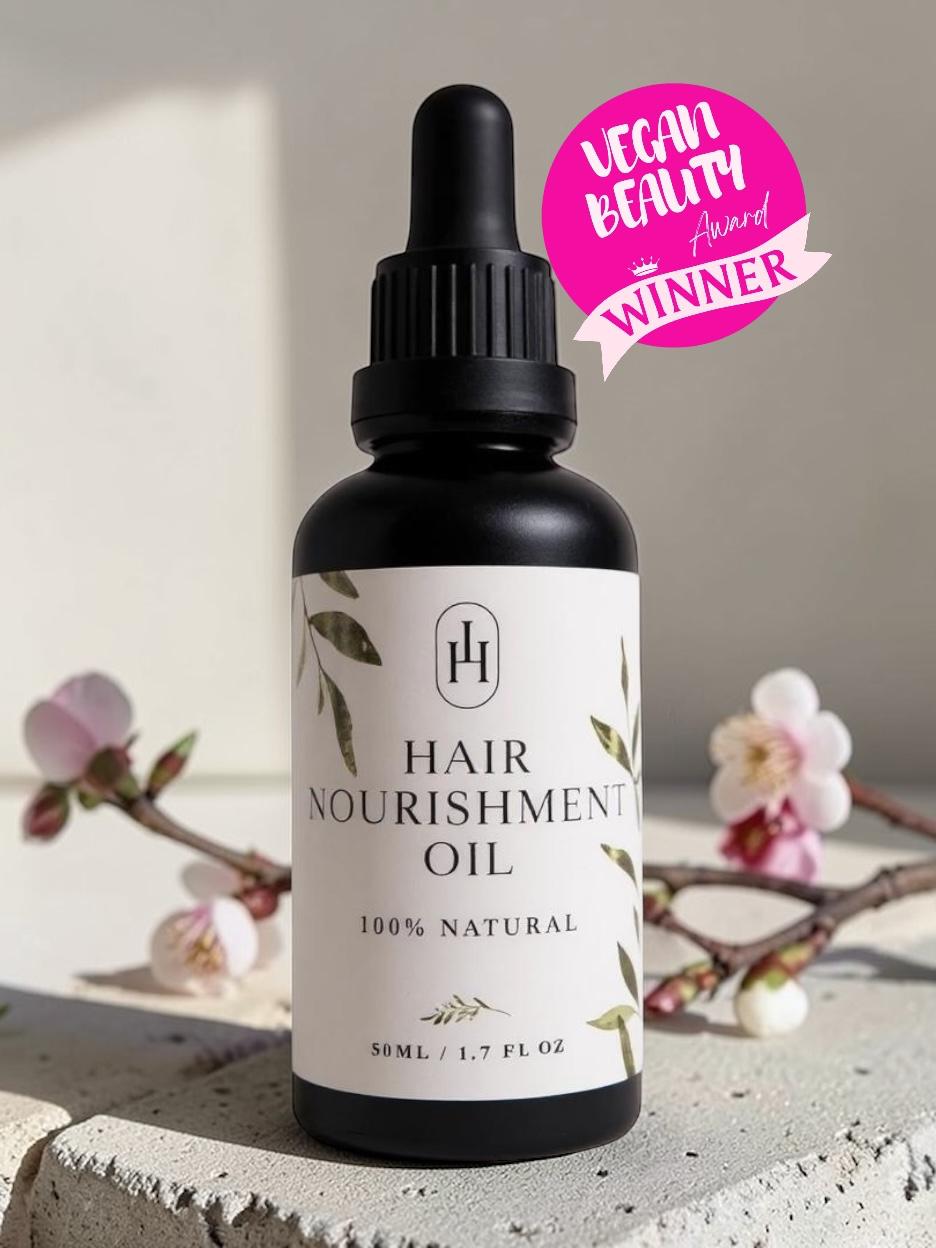
Idyllic Hair Nourishment Oil is formulated with cold‑pressed, nutrient‑rich botanicals that help counteract the effects of nutritional stress on the scalp:
Our blend of natural actives helps increase microcirculation, supporting oxygen and nutrient delivery to weakened follicles.
High‑quality fatty acids and antioxidants reinforce the hair shaft, reducing breakage caused by protein deficiency or rapid weight loss.
A healthy scalp is essential for regrowth. Our oil helps reduce dryness, inflammation and imbalance, common issues when nutrient intake drops.
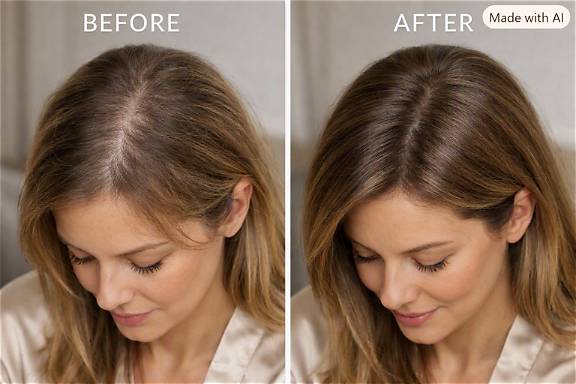
Customers experiencing GLP‑1‑related shedding have reported improvements in density, thickness and overall hair vitality with consistent use.
If you are experiencing significant or sudden hair loss while using GLP‑1 medication, it’s important to speak with a healthcare professional. Hair thinning is often temporary and reversible once nutritional intake stabilises, but medical guidance ensures you’re fully supported.
Idyllic Hair & Skin products are cosmetic hair and scalp care and are not medicines. This page is general information, not medical advice. If your hair loss is sudden, patchy or accompanied by other symptoms, please speak to your GP, pharmacist or a registered trichologist.