Cart
0
You may also like


Hair & scalp guide
The Science Behind It & How Idyllic Supports You
Menopausal hair loss is one of the most common yet least talked-about symptoms of perimenopause. As hormone levels begin to shift, the hair growth cycle becomes disrupted, leading to increased shedding, slower regrowth, and finer, weaker strands. Understanding why this happens helps women feel informed, empowered, and supported.
Hormones influence the hair cycle and scalp in different ways. During perimenopause, changes in oestrogen and progesterone, alongside increased androgen sensitivity, can affect how hair looks and feels.
Oestrogen plays a major role in keeping hair thick, shiny, and strong. It:
During perimenopause, oestrogen levels begin to fluctuate and gradually decline. This can mean:
This is why many women notice their ponytail feels thinner or their parting looks wider.
Progesterone helps balance the effects of androgens (male-type hormones) in the body. It:
When progesterone drops — often sharply — women may experience:
This hormonal imbalance can make hair thinning feel sudden or unpredictable.
Women naturally produce small amounts of testosterone. Normally, oestrogen and progesterone keep its effects balanced. But during perimenopause:
This can lead to:
This pattern is extremely common and often mistaken for stress or ageing when in reality, it’s hormonal.
The combination of declining oestrogen, falling progesterone, and increased androgen sensitivity can create a “perfect storm” for hair thinning. The hair cycle becomes shorter, follicles shrink, and the scalp can become more reactive or inflamed.
Other factors also contribute:
This is why menopausal hair loss feels so different from normal shedding — it’s multi-layered and deeply hormonal.
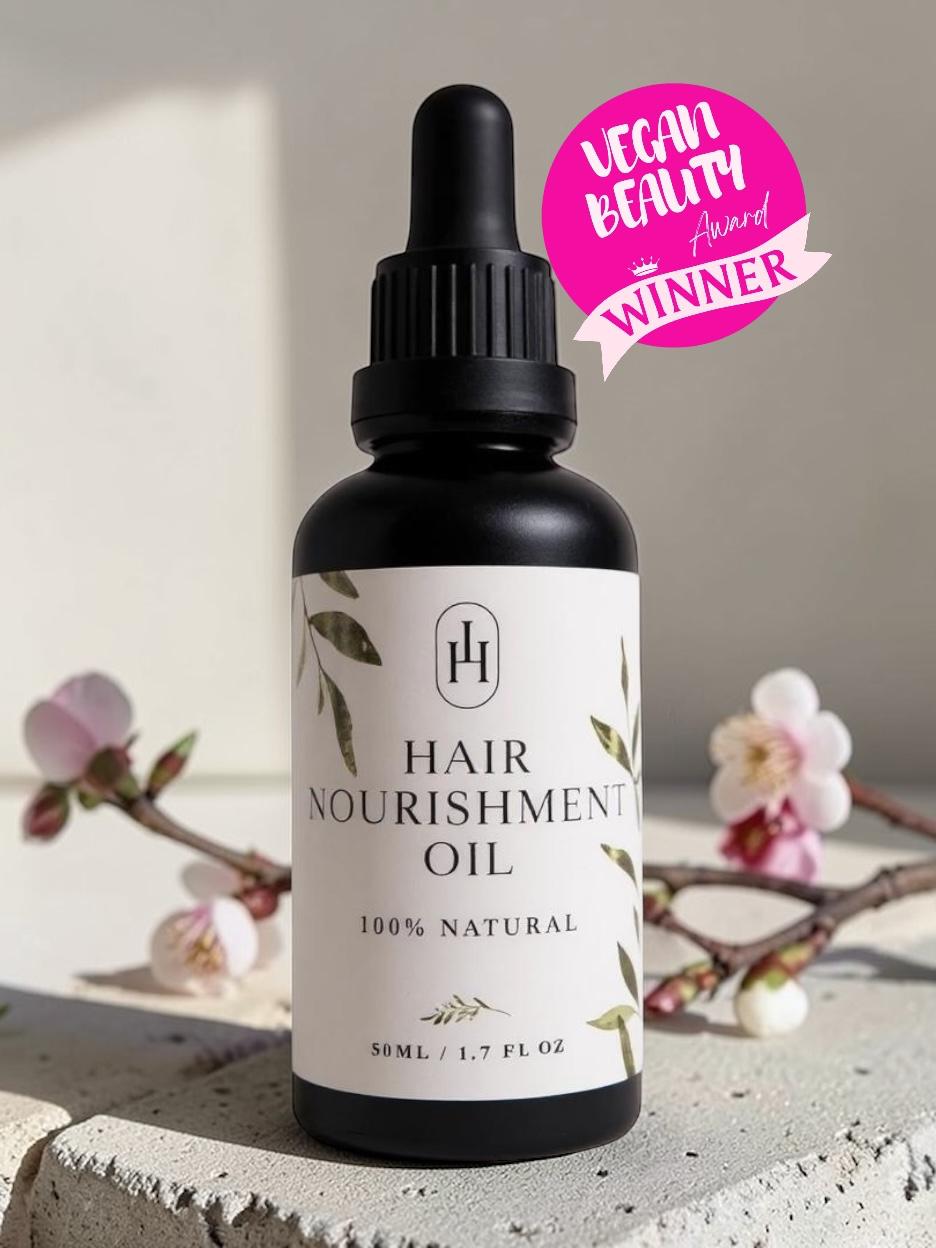
Idyllic was created with women’s real experiences at its heart, including our founder’s. Estel went through severe perimenopausal symptoms herself, including noticeable hair thinning, scalp sensitivity, and changes in texture. After struggling to find natural, effective solutions, she used her forensic science background to develop formulations that support the scalp and hair during hormonal change.
Our products help by:
Every formula is created with science, ethics, and lived experience, designed to help women feel confident, supported, and seen during one of the most transformative stages of life.
Even though perimenopause disrupts the usual cycle, understanding how hormones normally behave helps explain why symptoms feel so intense when those hormones begin to decline.
Below is a breakdown of each hormone, what it does, when it rises and falls, and how those changes affect mood, skin, and hair.
High oestrogen = longer growth phase, thicker strands. Low oestrogen = shedding, dryness, thinning.
High progesterone = balanced scalp oils, reduced androgen sensitivity. Low progesterone = increased shedding, oil imbalance, scalp sensitivity.
Women produce small amounts of testosterone, and it plays a bigger role than most people realise.
When oestrogen and progesterone are high, testosterone is balanced. When they drop (as in perimenopause), testosterone becomes more dominant, leading to:
During perimenopause, these monthly patterns become irregular, then stop working altogether:
Many women describe perimenopause as a time when their personality feels like it’s shifting, and that is completely valid.
Idyllic Hair & Skin products are cosmetic hair and scalp care and are not medicines. This page is general information, not medical advice. If your hair loss is sudden, patchy or accompanied by other symptoms, please speak to your GP, pharmacist or a registered trichologist.