Cart
0
You may also like


Hair & scalp guide
What’s Normal, What Isn’t & How to Support Healthy Regrowth
Temporary hair shedding is one of the most common concerns people experience and, in most cases, it’s completely normal. Understanding how the hair cycle works, what causes shedding, and how to support your scalp can help you feel more confident and reassured.
According to the NHS, most people naturally shed 50–100 hairs per day. This is a healthy sign that your scalp is renewing itself.
Each hair strand goes through a continuous cycle:
Lasts 2–7 years. Hair grows actively and becomes thicker and stronger.
A short resting stage where the follicle prepares to renew.
Old hairs fall out so new ones can grow. Around 10% of your hair is normally in this phase.
This cycle keeps your hair balanced, refreshed, and healthy.
UK dermatologists and NHS guidance highlight several common triggers for temporary shedding:
Physical or emotional stress can push more hairs into the telogen phase — a condition known as Telogen Effluvium.
Pregnancy, postpartum, menopause, thyroid imbalance, and PCOS can disrupt the growth cycle.
Low levels of iron, vitamin D, zinc, or B12 can weaken follicles and increase shedding.
Tight hairstyles, heat tools, bleaching, and chemical treatments can cause breakage and shedding.
Some people notice mild shedding in autumn and spring, linked to natural renewal patterns.
Most of these causes are temporary and improve once the trigger is addressed.
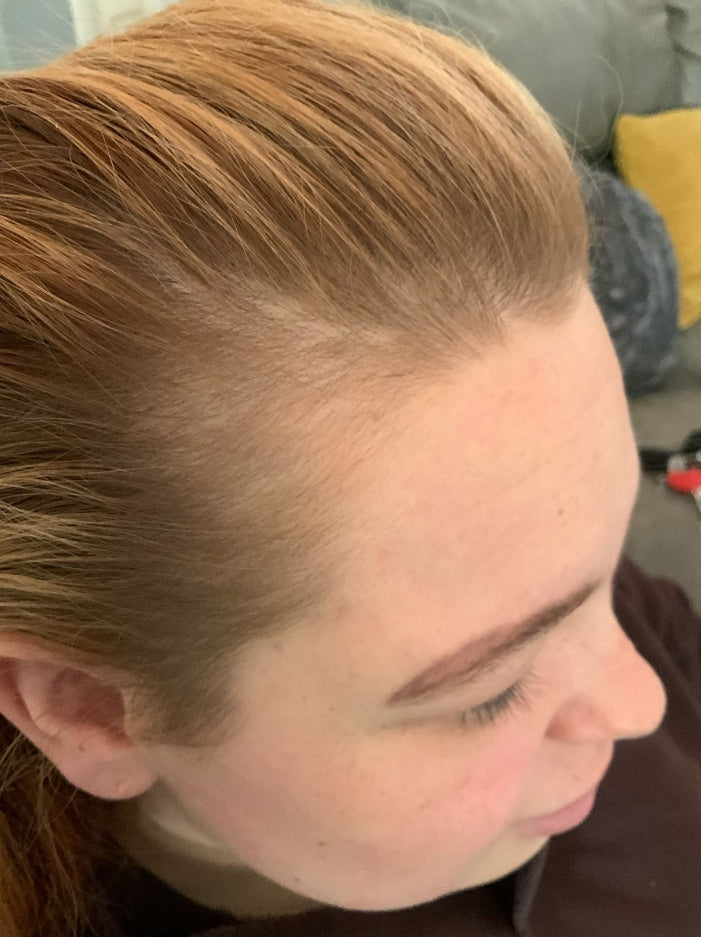
Shedding may need attention if you notice:
If this happens, it’s best to speak to a GP, dermatologist, or trichologist to rule out underlying causes such as thyroid issues, anaemia, or hormonal imbalance.
These tests are commonly requested by UK GPs and dermatologists to investigate excessive shedding:
These tests help identify reversible causes of temporary shedding.
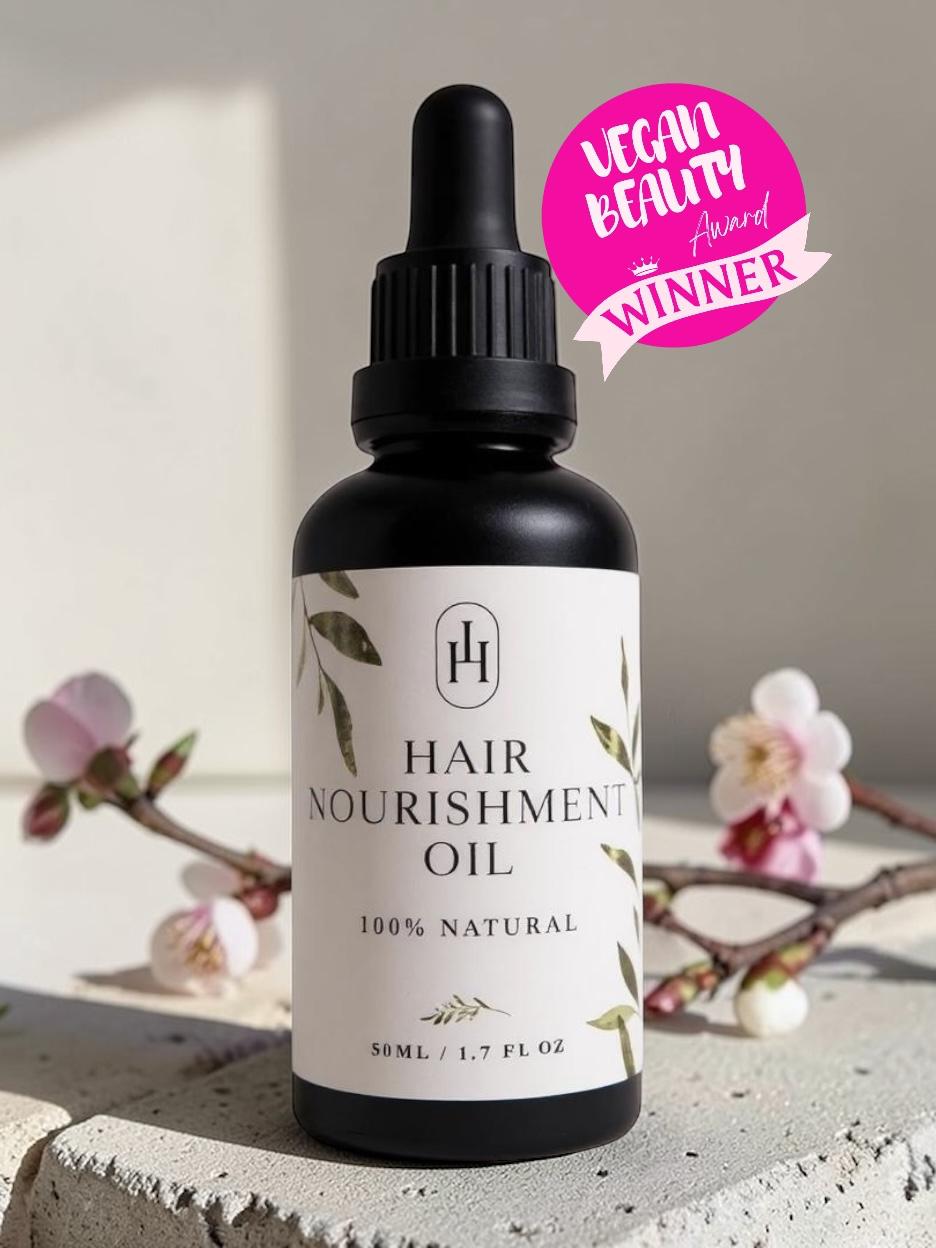
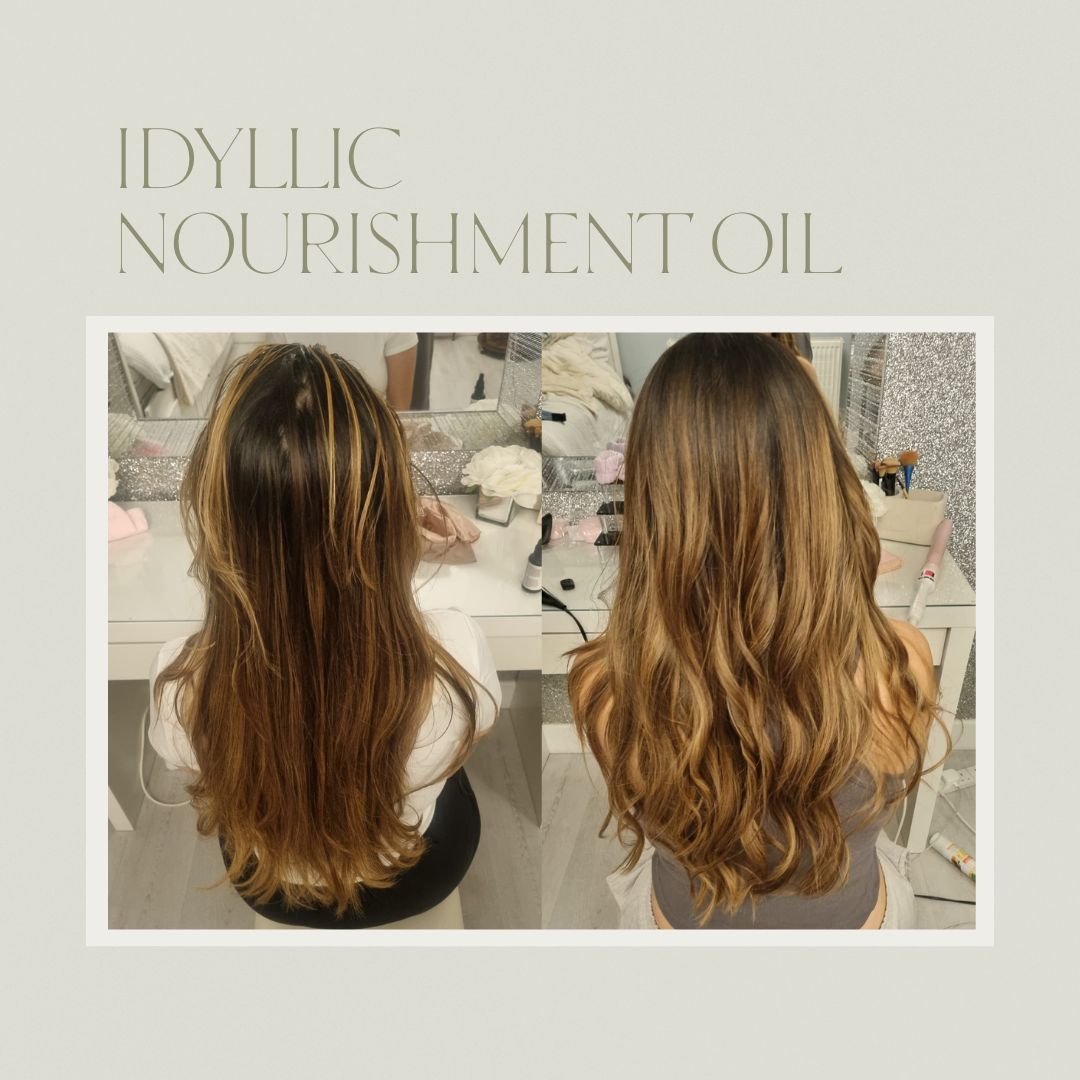
At Idyllic Hair & Skin, we focus on nurturing the scalp, strengthening the hair fibre, and supporting the natural regrowth cycle. Our Nourishment Hair Oil is formulated with cold‑pressed plant oils rich in:
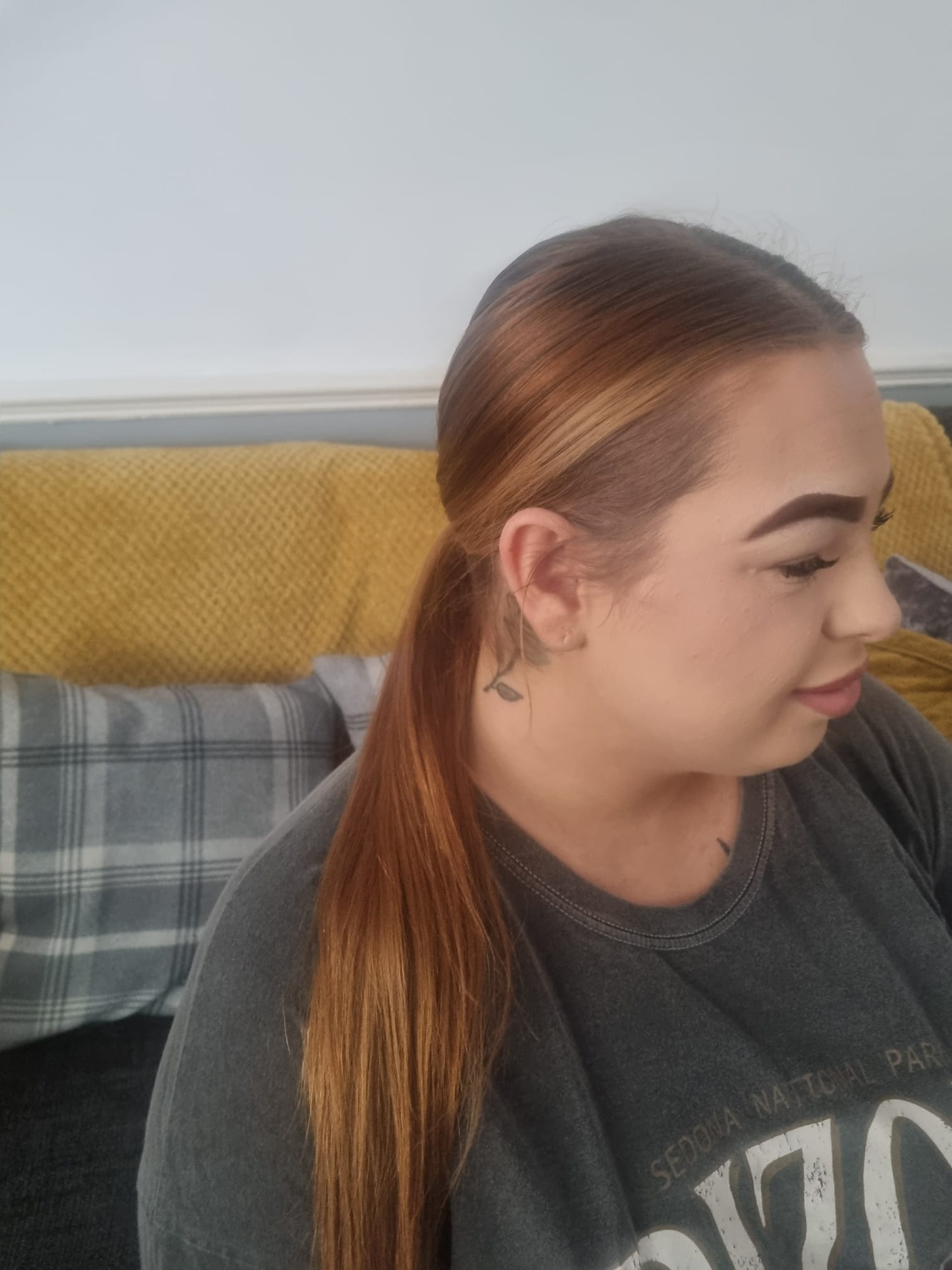
Massage a few drops into the scalp and lengths 2–3 times per week to encourage stronger, shinier, more resilient hair.
Idyllic Hair & Skin products are cosmetic hair and scalp care and are not medicines. This page is general information, not medical advice. If your hair loss is sudden, patchy or accompanied by other symptoms, please speak to your GP, pharmacist or a registered trichologist.